
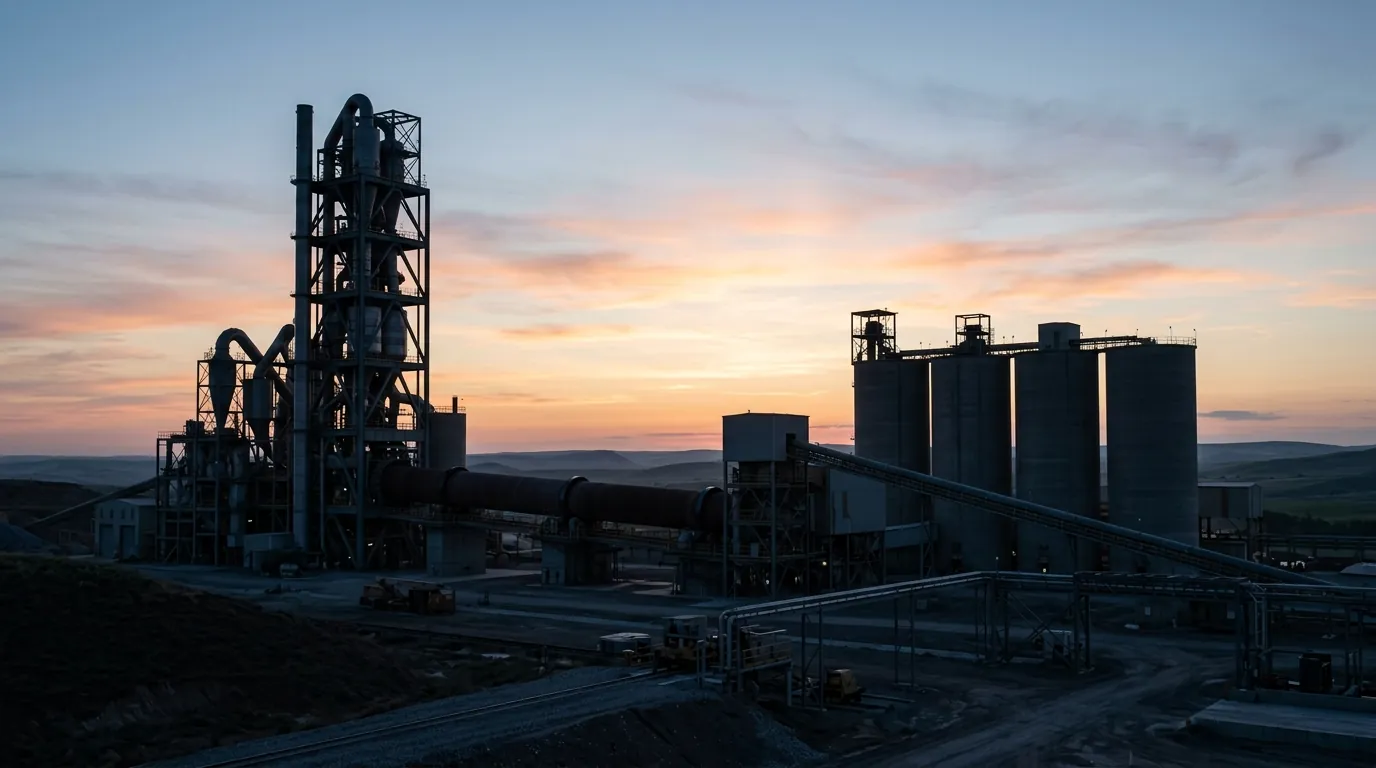
Hold the efficiency you have already achieved even as operating conditions shift
Tan Thang has published figures of 95 kWh per tonne of cement and under 730 kcal per kg of clinker — the lowest in the Vietnamese cement industry. For a plant already this efficient, the question is no longer how much more to cut, but how to hold that level every shift and every batch as materials and load change.
Three things we state before proposing anything
One step at a time, proven before we continue
We do not roll out broadly from the start. Each scope begins narrow, runs alongside your current way of working, and is measured against criteria both sides agree before it starts. Only when the measured result meets those criteria do we propose expanding — if it does not, we stop and hand back all the analysis we have done.
The plant is already far more efficient than average
Given the consumption figures Tan Thang has published, the room for further energy reduction is much narrower than at a typical plant. Anyone promising a 2–5% electricity saving without having seen your data is quoting someone else’s numbers. We will not do that.
We do not touch kiln control
Your DCS and kiln control keep their role entirely. The AI layer only reads data, analyses it and advises engineers — it writes no commands to equipment and replaces nothing that is running.
End to end — from strategy to models running in production
Most AI projects fail not at model building but at putting the model into operation and keeping it stable. Our capability covers all five stages.
AI Consulting
Advising on embedding AI into existing systems, and building an AI strategy aligned to business goals rather than to technology trends.
AI Development
Building machine learning models for image recognition, natural language processing and prediction; developing AI-powered applications around each client’s needs.
AI Maintenance
Upgrading features as the market shifts, resolving model performance issues, and improving solutions to meet new requirements.
Migration & Integration
Moving legacy systems onto modern, AI-enabled platforms; standardising and migrating data ready for advanced analytics.
AI Management
Real-time performance monitoring, risk management and incident handling, plus backup and governance of training data.
Engineering certifications


The certifications above are held by engineers in our team. All names and marks belong to their respective certifying organisations.
Technology stack
Technologies genuinely in use across delivered systems — not a display list.
9AI systems taken into live operation
Each project follows the same structure: the real problem, the approach, the technologies, the value delivered — and, most relevant for manufacturers, the concrete ways it applies to your own plant.

eKYC
Banking & FinanceAn electronic identity platform that automates customer identity verification by extracting data from personal documents — national ID cards, chip-based ID cards and passports. It serves banks, financial institutions and digital payment services where accuracy and security must hold at scale.
This is precisely the core capability behind factory document processing: reading invoices, packing lists, customs declarations and quality records. The same techniques — extracting data from document images, cross-checking and controlling error — applied to a different document type.
Reads weighbridge tickets for limestone, clay, coal, gypsum and additives from photos or printouts and files them automatically, instead of manual entry at end of shift.
Extracts test results — strength, fineness, free lime — from lab sheets into a database searchable by batch when a customer or certification body asks.
Reads and cross-checks invoices, bills of lading, quality certificates and certificates of origin for each export lot, catching mismatches before the file leaves the plant.
Digitises work orders, incident reports and spare-part invoices so the full history of a machine can be retrieved in seconds rather than by leafing through years of files.
Three scopes, ordered by the capability we genuinely have
Ordered not by the largest theoretical value, but by what we have already delivered elsewhere — so every claim has something behind it.
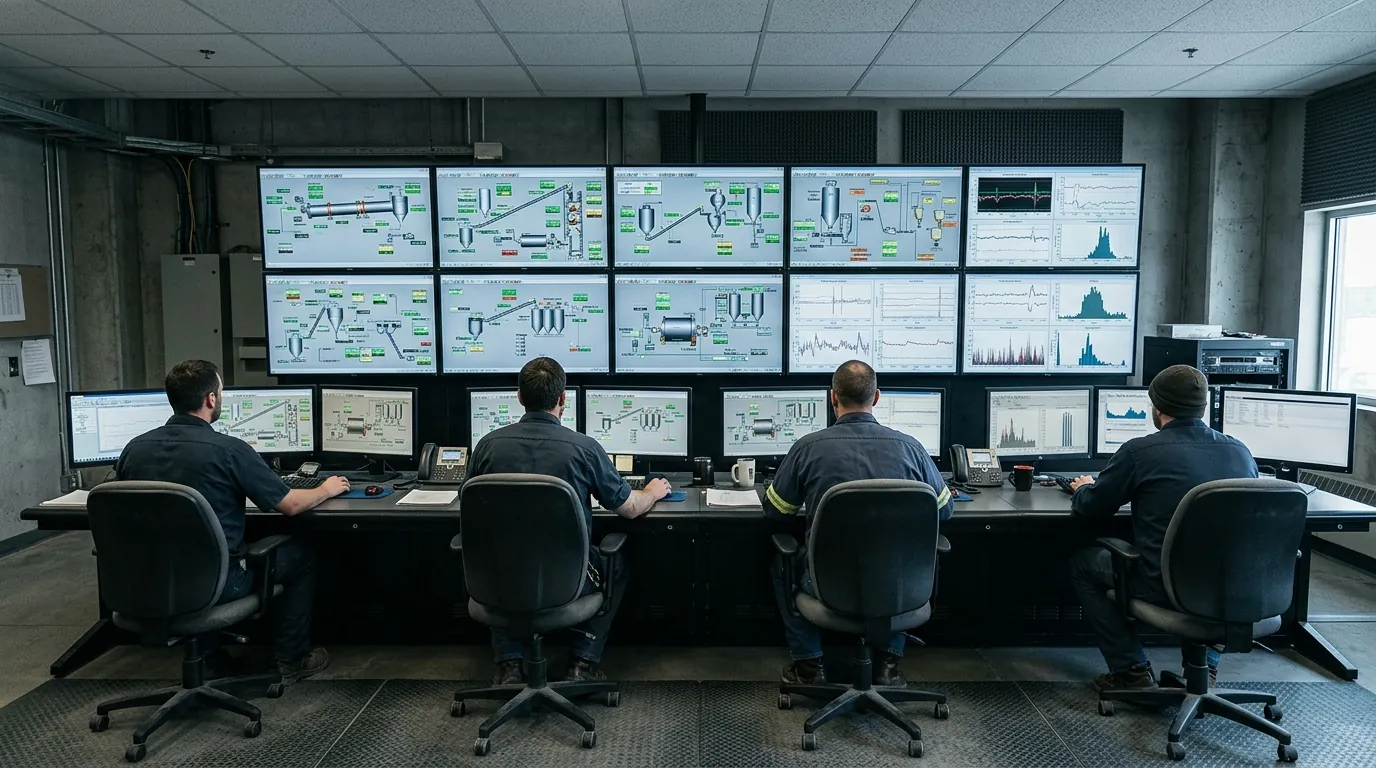
Operations knowledge assistant
This is where our capability is closest and the risk lowest: it touches no control data, affects no production, and can be built on documents you already have.
- Vietnamese-language Q&A over your own procedures, work instructions and incident records, with citations back to the source
- On-shift lookup instead of leafing through manuals or calling a senior engineer at midnight
- Capturing long-serving engineers’ knowledge in searchable form before they retire or move on
- Shortening onboarding for new staff — valuable during expansion or staff rotation
Built on existing capability: context-aware AI assistants answering from proprietary knowledge, combining computer vision and natural language processing in one pipeline.
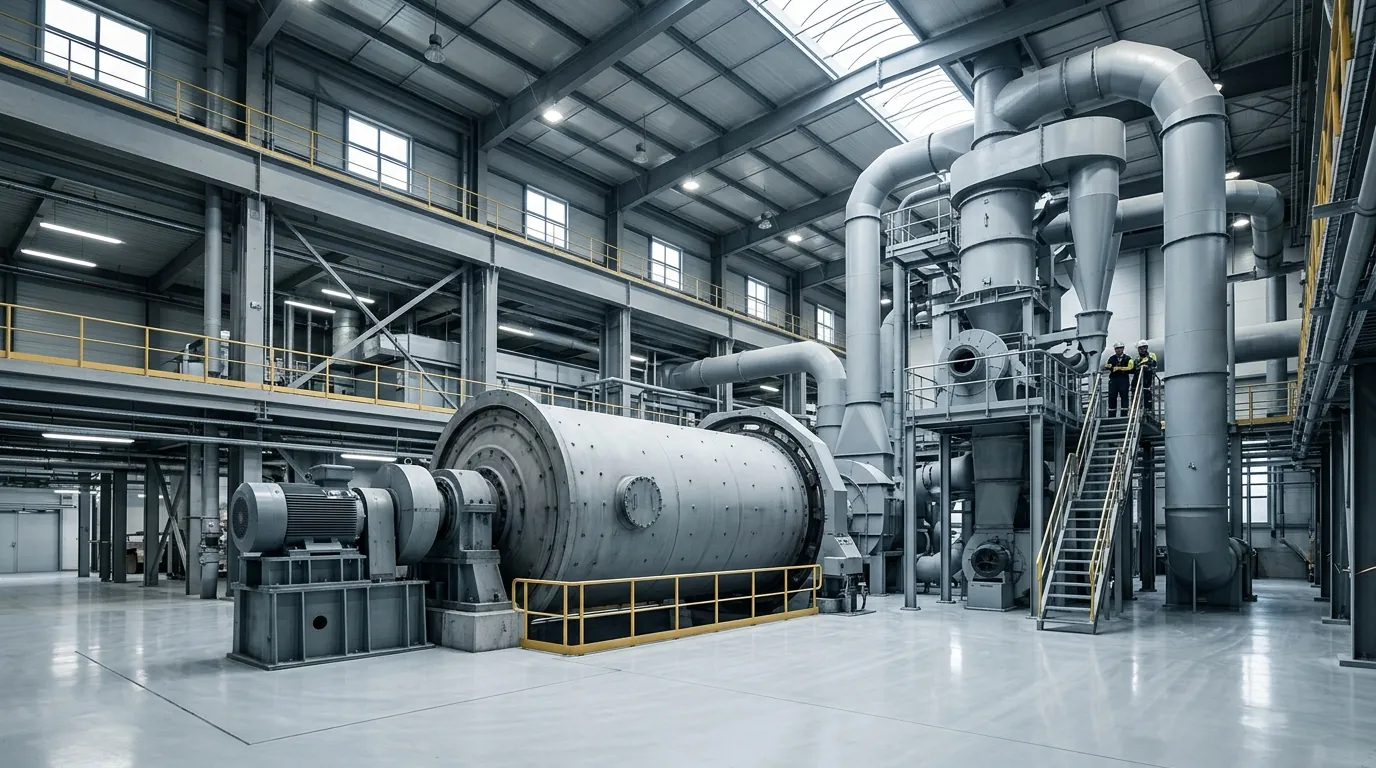
Early warning for rotating equipment
This is where we have the closest working precedent: a live system monitoring power and temperature at unmanned sites, detecting anomalies and warning before equipment fails.
- Start with the one group of rotating equipment that caused the most downtime in the last 6–12 months, not the whole plant
- Learn the normal operating state from vibration, temperature and current data, then flag deviations before any hard alarm trips
- Rank severity so the maintenance team knows what to address before the next shift
- Shift gradually from calendar-based to condition-based maintenance
Built on existing capability: anomaly detection on real-time sensor streams, running for years in an industrial setting.
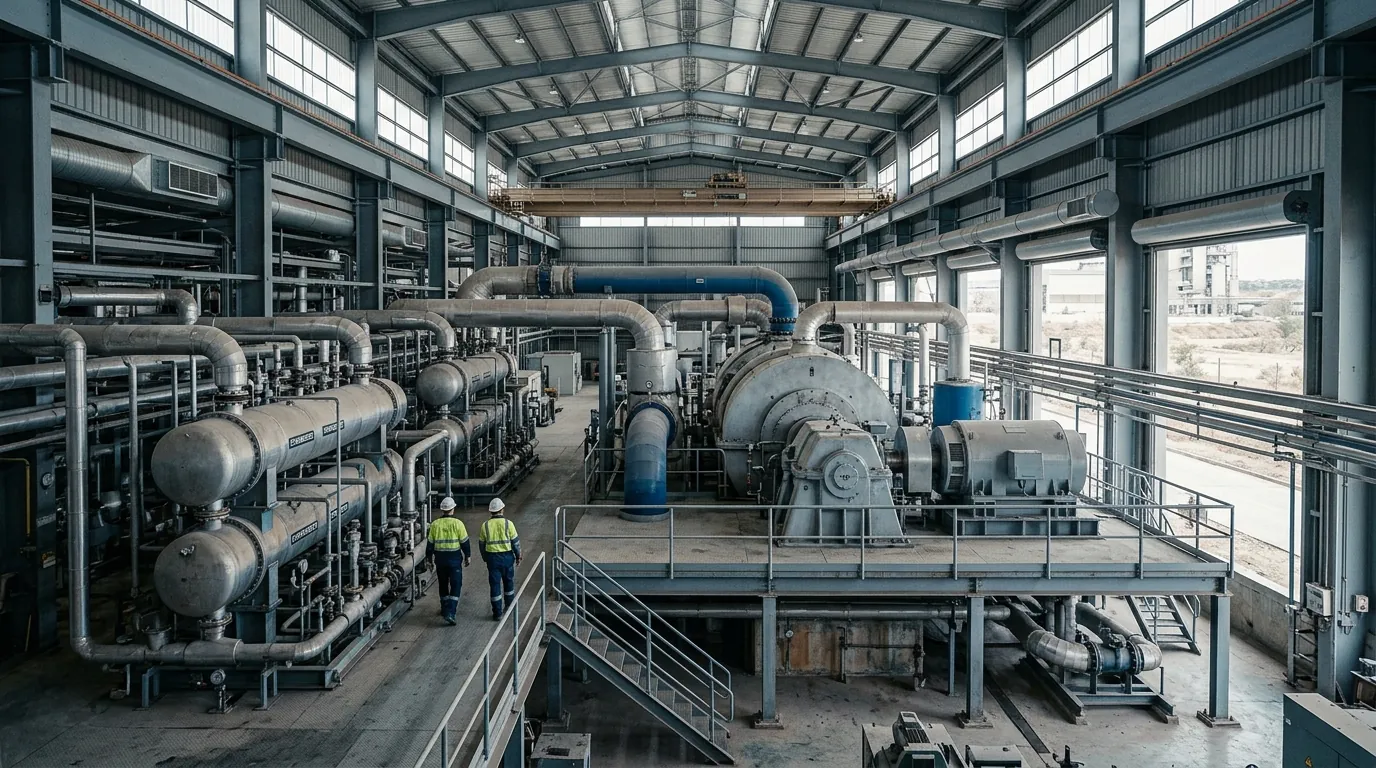
Holding consumption steady by shift and batch
Because the plant already leads the industry on consumption, the goal here is not further cuts but narrowing the spread: understanding why one shift consumes more than another on the same line.
- Track electricity and heat consumption by shift, batch and product type rather than only the monthly average
- Find the best operating window by comparing the best-performing shifts against the rest
- Tie consumption to output and quality so energy savings never come at the cost of rejects
- Track the real performance of the waste heat recovery system against operating conditions
Built on existing capability: hourly, daily and monthly output forecasting for hydroelectric plants — turning stored operational data into usable predictions.
What we are not proposing yet — and why
Several items commonly found in cement-industry AI proposals are deliberately left out of the first phase:
Direct kiln optimisation
This is the most sensitive system in the plant and demands kiln operating experience we do not yet have. Proposing to intervene here at the outset would be irresponsible.
Alternative fuel blend optimisation
Depends on waste feedstock characteristics, environmental permits and specific feed equipment. It needs months of your real operating data before it can be discussed.
Clinker quality prediction replacing lab testing
Technically feasible, but only once enough lab results are linked to process parameters by batch. That is an outcome of a later phase, not an opening promise.
Emissions reporting for CBAM
We can handle data collection and consolidation, but interpreting the regulation and verifying compliance needs a specialist advisor. We will state that boundary rather than take the whole scope.
A five-step roadmap
This is the standard ECTech process applied to every project, made specific to a cement plant. The first two steps happen before any investment commitment.
First working session
A single session on site or online to hear the problem, explain how we work, and identify roughly which scope is worth piloting. No fee, no data preparation needed.
System and process survey
An on-site survey: what systems run, where the data sits and how good it is; working with operations, maintenance, engineering and IT to understand the real processes. The deliverable is a data-readiness report and a proposed pilot scope with measurement criteria — including the honest conclusion that it is too early to start, if that is the case.
Solution design and agreed criteria
Design the solution around the systems already running, defining data flows, access control and how effectiveness is measured. Both sides sign off on acceptance criteria before deployment — not reinterpreted afterwards.
Pilot in advisor mode
The system only reads and advises; your engineers decide. It runs alongside the current way of working, so production carries no risk. Measured against the criteria signed at the previous step.
Acceptance, handover and expansion
Compare measured results against the criteria, train users and hand over operating documentation. We expand to the next scope only if the pilot succeeded. If it did not, we stop and hand back all the analysis we have done.
- Read-only access to operating data — no write permission on any system
- Six to twelve months of historical data for models to learn from
- A single technical point of contact throughout
- One scope chosen for the pilot — we recommend starting with the knowledge assistant
How your plant data is protected
This is usually the first question from the IT department, so we answer it before being asked.
Read-only, never write
Connections to control systems are read-only over standard industrial protocols. The system issues no commands to equipment. All parameter changes remain with your engineers on the original systems.
Data stays on site
Fully on-premise deployment where your policy requires it — the system needs no external connection to function. Edge processing is the default.
Network segmentation
The operational network stays separated from the office network, with one-way data flow at the boundary, role-based access control and full query logging. The architecture references IEC 62443 for industrial control system security.
Data ownership and confidentiality
All operating data and any models trained on Tan Thang data belong to Tan Thang — never used for other clients, never added to a shared training set. We sign a confidentiality agreement using your template. Our processes and information security are certified to ISO 9001 and ISO 27001.
Plant information on this page is drawn from the official website tanthangcement.com and public press coverage. We treat it as reference data to be verified with the plant, not as a basis for committing to any target.
All it takes is 90 minutes on site with your team
We observe your operating processes as they actually run, pinpoint the bottlenecks consuming the most manpower, and measure the current state.
A detailed assessment with a proposed pilot approach and clearly defined measurement criteria (KPI/ROI).
We respect your time and your results. If we judge that this is not the right moment to proceed, we will tell you so plainly.